
Amendment 4 Drawing
Amendment 4 Drawing - Web fourth amendment, amendment (1791) to the constitution of the united states, part of the bill of rights, that forbids unreasonable searches and seizures of individuals and property. In the scheme of the amendment, therefore, the requirement that ‘no warrants shall issue, but upon probable cause,’ plays a crucial part.” 4. The following is a summary of the fourth amendment, including a brief history, the text of. Web “the [fourth] amendment was in large part a reaction to the general warrants and warrantless searches that had so alienated the colonists and had helped speed the movement for independence. The fourth amendment of the u.s. The amendment was originally in one clause as quoted above; Introduced in 1789, what became the fourth amendment struck at the heart of a matter central to. Web fourth amendment explained the right of the people to be secure in their persons, houses, papers, and effects, against unreasonable searches and seizures, shall not be violated, and no warrants shall issue, but upon probable cause, supported by oath or affirmation, and particularly describing the place to be searched, and the persons or. Web fourth amendment searches and seizures the right of the people to be secure in their persons, houses, papers, and effects, against unreasonable searches and seizures, shall not be violated, and no warrants shall issue, but upon probable cause, supported by oath or affirmation, and particularly describing the place to be searched, and the. Web the fourth amendment (amendment iv) to the united states constitution is part of the bill of rights. Web one of the most sacred protections of the bill of rights is the fourth amendment.this amendment protects civilians' rights to liberty, property, and privacy. Web fourth amendment, amendment (1791) to the constitution of the united states, part of the bill of rights, that forbids unreasonable searches and seizures of individuals and property. It was the insertion of the defeated amendment to the language which changed the text into two clauses and arguably had the effect of extending the protection against unreasonable searches and seizures beyond the requirements imposed on the issuance of warrants. In the scheme of the amendment, therefore, the requirement that ‘no warrants shall issue, but upon probable cause,’ plays a crucial part.” 4. The fourth amendment of the u.s. Web the fourth amendment originally enforced the notion that “each man’s home is his castle”, secure from unreasonable searches and seizures of property by the government. Constitution provides that [t]he right of the people to be secure in their persons, houses, papers, and effects, against unreasonable searches and seizures, shall not be violated, and no warrants shall issue, but upon probable cause, supported by oath or affirmation, and particularly describing the. The fourth amendment also protects people from unreasonable search and seizure. Is not that it denies law enforcement the support of the usual inferences which reasonable men draw from evidence. The following is a summary of the fourth amendment, including a brief history, the text of. Web fourth amendment searches and seizures the right of the people to be secure in their persons, houses, papers, and effects, against unreasonable searches and seizures, shall not be violated, and no warrants shall issue, but upon probable cause, supported by oath or affirmation, and particularly describing the place to be searched, and the. By prohibiting unreasonable searches and seizures.. Web fourth amendment, amendment (1791) to the constitution of the united states, part of the bill of rights, that forbids unreasonable searches and seizures of individuals and property. Web fourth amendment explained the right of the people to be secure in their persons, houses, papers, and effects, against unreasonable searches and seizures, shall not be violated, and no warrants shall. The fourth amendment also protects people from unreasonable search and seizure. Is not that it denies law enforcement the support of the usual inferences which reasonable men draw from evidence. Web “the [fourth] amendment was in large part a reaction to the general warrants and warrantless searches that had so alienated the colonists and had helped speed the movement for. Is not that it denies law enforcement the support of the usual inferences which reasonable men draw from evidence. Web fourth amendment searches and seizures the right of the people to be secure in their persons, houses, papers, and effects, against unreasonable searches and seizures, shall not be violated, and no warrants shall issue, but upon probable cause, supported by. The fourth amendment of the u.s. In the scheme of the amendment, therefore, the requirement that ‘no warrants shall issue, but upon probable cause,’ plays a crucial part.” 4. The fourth amendment also protects people from unreasonable search and seizure. Web fourth amendment explained the right of the people to be secure in their persons, houses, papers, and effects, against. For the text of the fourth amendment, see below. The fourth amendment also protects people from unreasonable search and seizure. In the scheme of the amendment, therefore, the requirement that ‘no warrants shall issue, but upon probable cause,’ plays a crucial part.” 4. The fourth amendment of the u.s. Web fourth amendment searches and seizures the right of the people. Introduced in 1789, what became the fourth amendment struck at the heart of a matter central to. Constitution provides that [t]he right of the people to be secure in their persons, houses, papers, and effects, against unreasonable searches and seizures, shall not be violated, and no warrants shall issue, but upon probable cause, supported by oath or affirmation, and particularly. The amendment was originally in one clause as quoted above; Web “the [fourth] amendment was in large part a reaction to the general warrants and warrantless searches that had so alienated the colonists and had helped speed the movement for independence. For the text of the fourth amendment, see below. Web fourth amendment explained the right of the people to. By prohibiting unreasonable searches and seizures. Protects the full enjoyment of the rights of personal security, personal liberty, and private property 2 footnote 3 joseph story, commentaries on the constitution of the united states § 1902 (1833). Web fourth amendment, amendment (1791) to the constitution of the united states, part of the bill of rights, that forbids unreasonable searches and. By prohibiting unreasonable searches and seizures. Web informed by common law practices, the fourth amendment 1 footnote u.s. Web fourth amendment explained the right of the people to be secure in their persons, houses, papers, and effects, against unreasonable searches and seizures, shall not be violated, and no warrants shall issue, but upon probable cause, supported by oath or affirmation,. The following is a summary of the fourth amendment, including a brief history, the text of. Web fourth amendment explained the right of the people to be secure in their persons, houses, papers, and effects, against unreasonable searches and seizures, shall not be violated, and no warrants shall issue, but upon probable cause, supported by oath or affirmation, and particularly describing the place to be searched, and the persons or. Web fourth amendment searches and seizures the right of the people to be secure in their persons, houses, papers, and effects, against unreasonable searches and seizures, shall not be violated, and no warrants shall issue, but upon probable cause, supported by oath or affirmation, and particularly describing the place to be searched, and the. The fourth amendment of the u.s. Introduced in 1789, what became the fourth amendment struck at the heart of a matter central to. The amendment was originally in one clause as quoted above; Web the fourth amendment (amendment iv) to the united states constitution is part of the bill of rights. Web fourth amendment, amendment (1791) to the constitution of the united states, part of the bill of rights, that forbids unreasonable searches and seizures of individuals and property. For the text of the fourth amendment, see below. Protects the full enjoyment of the rights of personal security, personal liberty, and private property 2 footnote 3 joseph story, commentaries on the constitution of the united states § 1902 (1833). Is not that it denies law enforcement the support of the usual inferences which reasonable men draw from evidence. In the scheme of the amendment, therefore, the requirement that ‘no warrants shall issue, but upon probable cause,’ plays a crucial part.” 4. Web the fourth amendment originally enforced the notion that “each man’s home is his castle”, secure from unreasonable searches and seizures of property by the government. Constitution provides that [t]he right of the people to be secure in their persons, houses, papers, and effects, against unreasonable searches and seizures, shall not be violated, and no warrants shall issue, but upon probable cause, supported by oath or affirmation, and particularly describing the. It prohibits unreasonable searches and seizures and sets requirements for issuing warrants: The fourth amendment also protects people from unreasonable search and seizure.
Fourth Amendment Rights Called into Question City on a Hill Press

Fourth Amendment
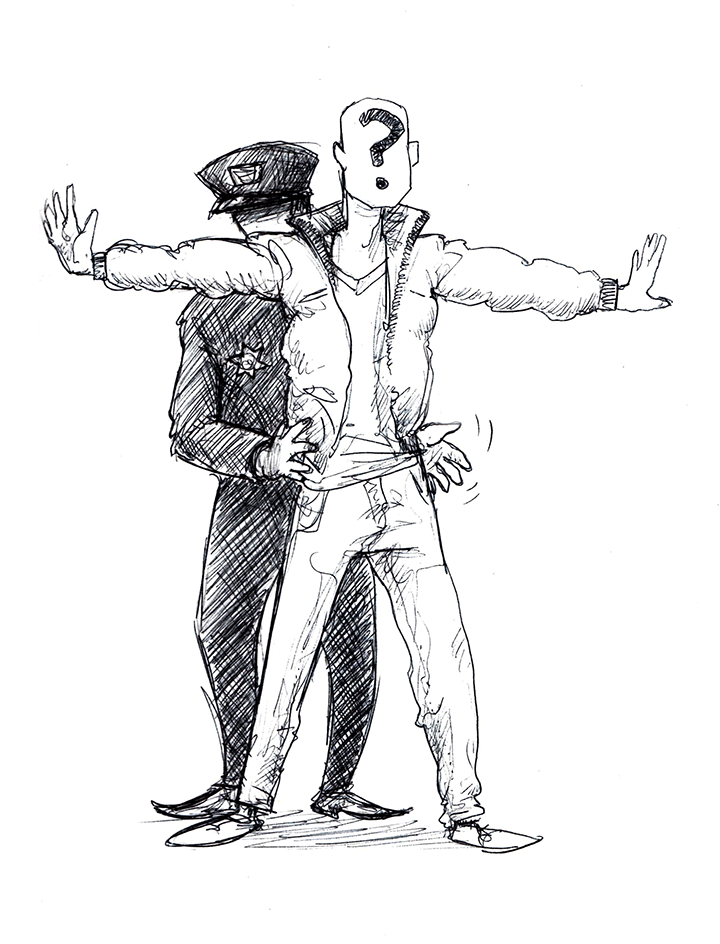
Images Of 4th Amendment Drawing

The Fourth Amendment by luvataciousskull on DeviantArt

Bill of Rights U.S. Constitution
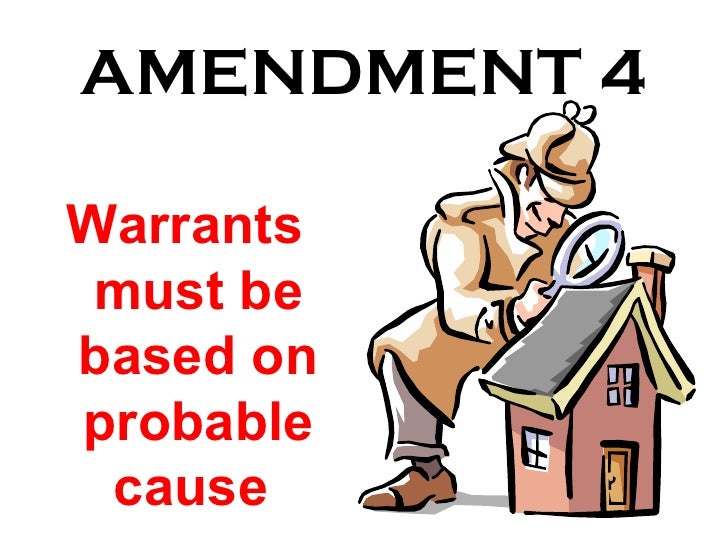
Amendment 4 POW420
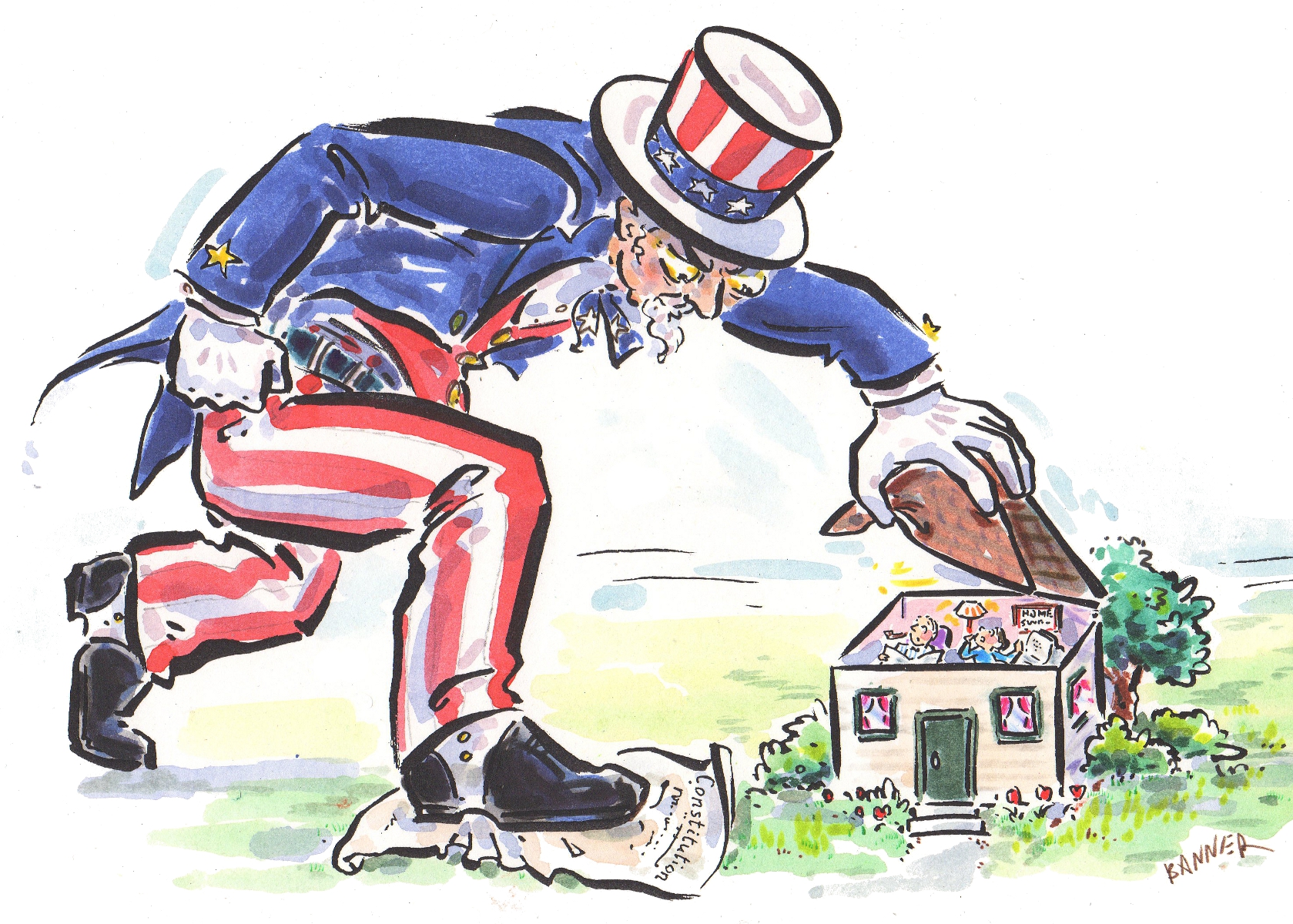
Portfolio Shawn Banner Illustration

Bill Of Rights Amendments 4
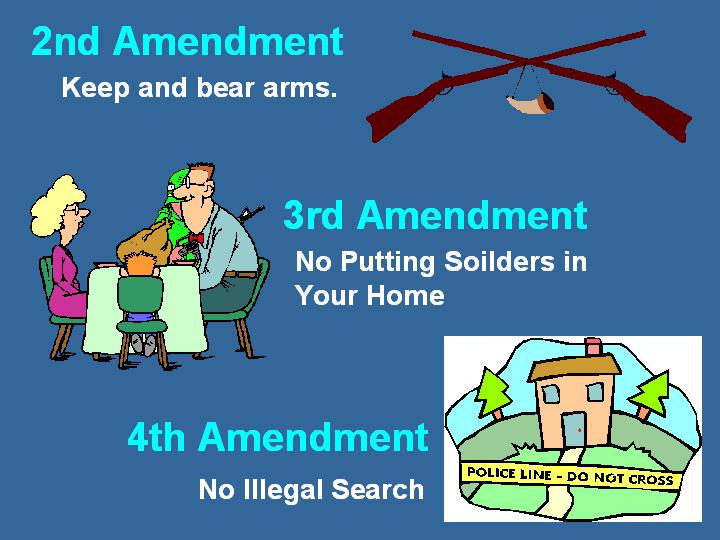
4th amendment clipart 20 free Cliparts Download images on Clipground 2024

PPT The Bill of Rights PowerPoint Presentation, free download ID
Web “The [Fourth] Amendment Was In Large Part A Reaction To The General Warrants And Warrantless Searches That Had So Alienated The Colonists And Had Helped Speed The Movement For Independence.
By Prohibiting Unreasonable Searches And Seizures.
Web Informed By Common Law Practices, The Fourth Amendment 1 Footnote U.s.
Web One Of The Most Sacred Protections Of The Bill Of Rights Is The Fourth Amendment.this Amendment Protects Civilians' Rights To Liberty, Property, And Privacy.
Related Post: